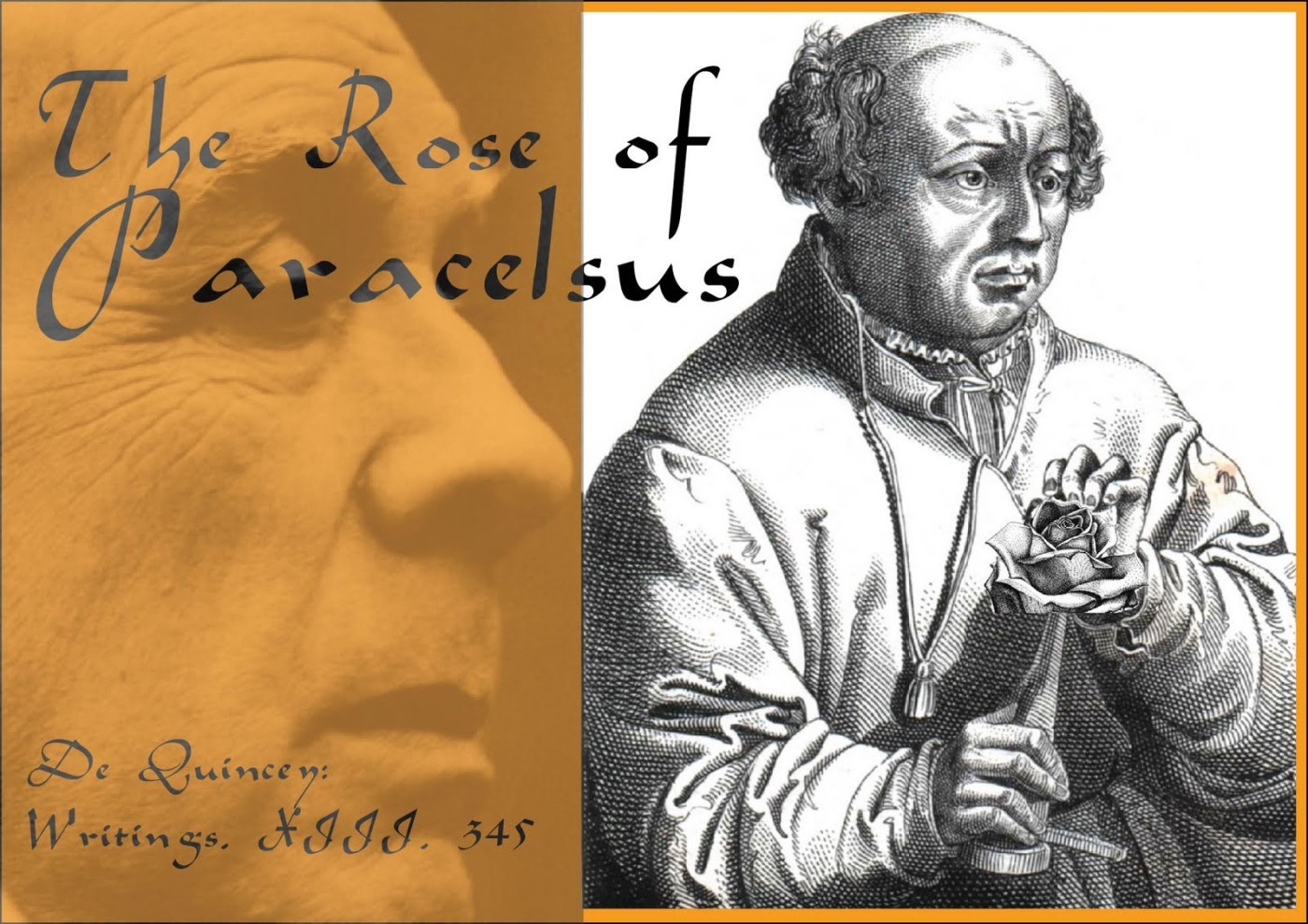
The main theme in Borges' work "Paracelsus and the Rose" is that of faith without the need for physical proof. This story shares many similarities with the Bible.
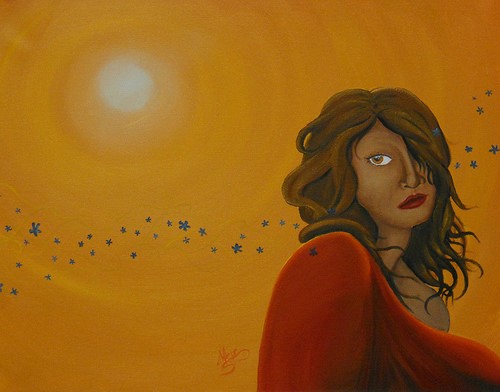
Liminality is the act of being on some sort of threshold in terms. In Silko's "Yellow Woman" this theme can be seen in the way the characters appear to be between worlds and times.
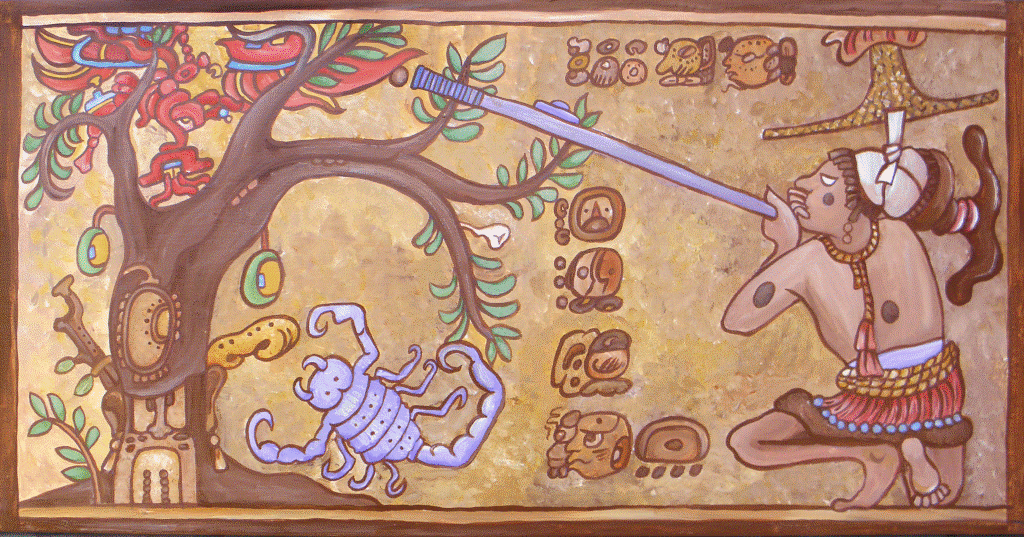
"Popol Vuh" is a collection of Mayan tales that include accounts of creation along with heroic tales which mainly involve the demigod-like characters Hunahpu and his brother Xbalanque.
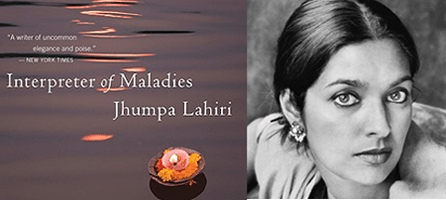
Jhumpa Lahiri's "A Real Durwan" deals with the life of a refugee who is experiencing displacement, or the feeling of not-belonging.
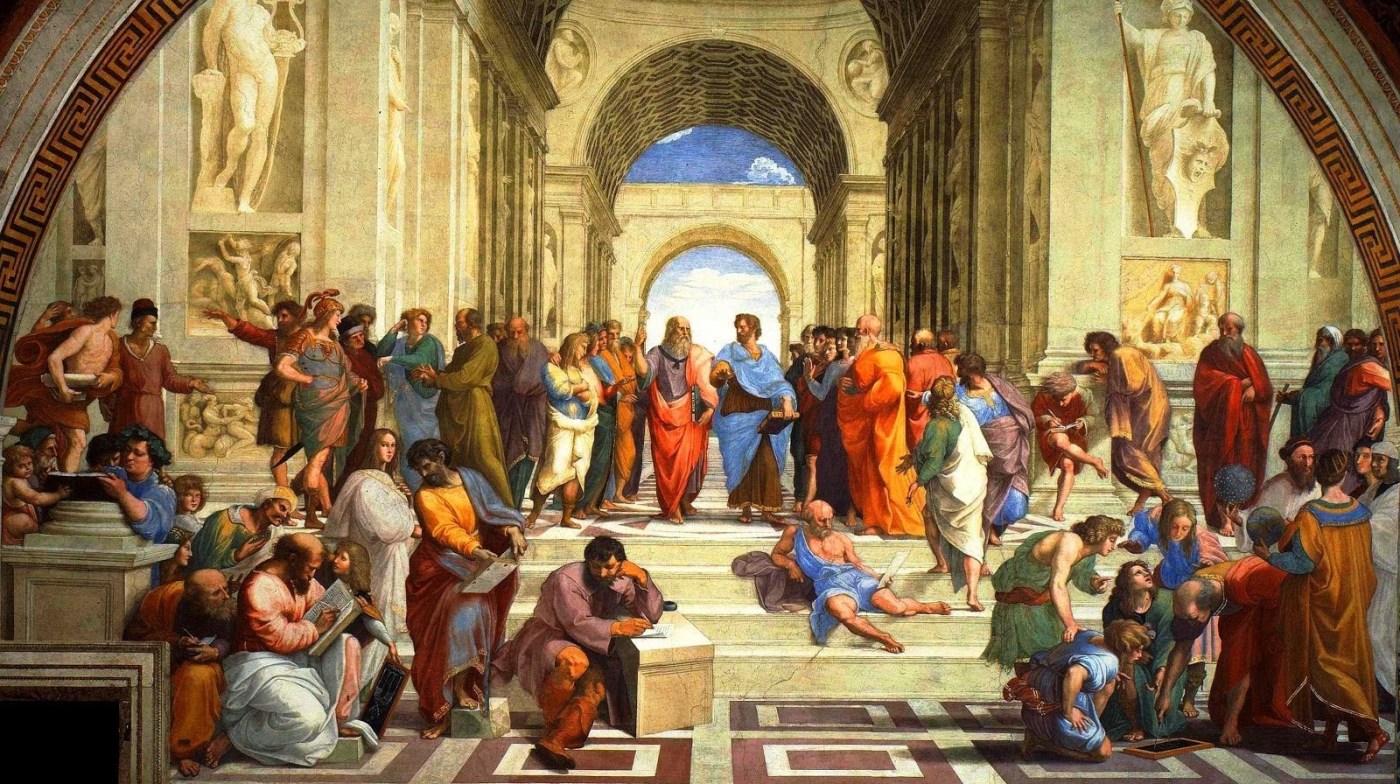
Plato's "Apology" is a detailed account of what occurred during the trial of Socrates. It has much to teach about philosophy and argumentation as well as inward reflection.
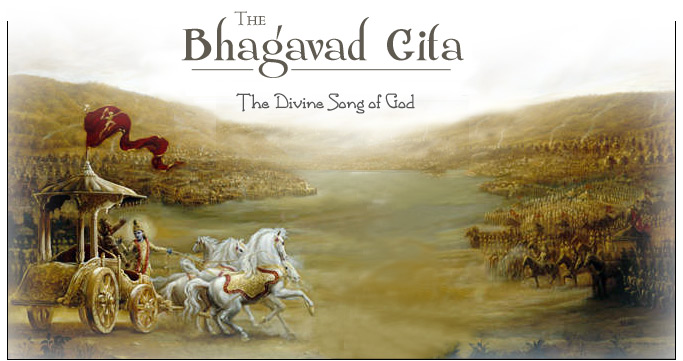
A central theme in the Hindu Epic "Bhagavad-Gita" is the concept of Dharma. One's Dharma, or purpose in life, is incredibly important to those of Hindu faith.

A common theme in works of Realism and Modernism is alienation from one's family. Works by Kafka and Tolstoy are compared in this post.
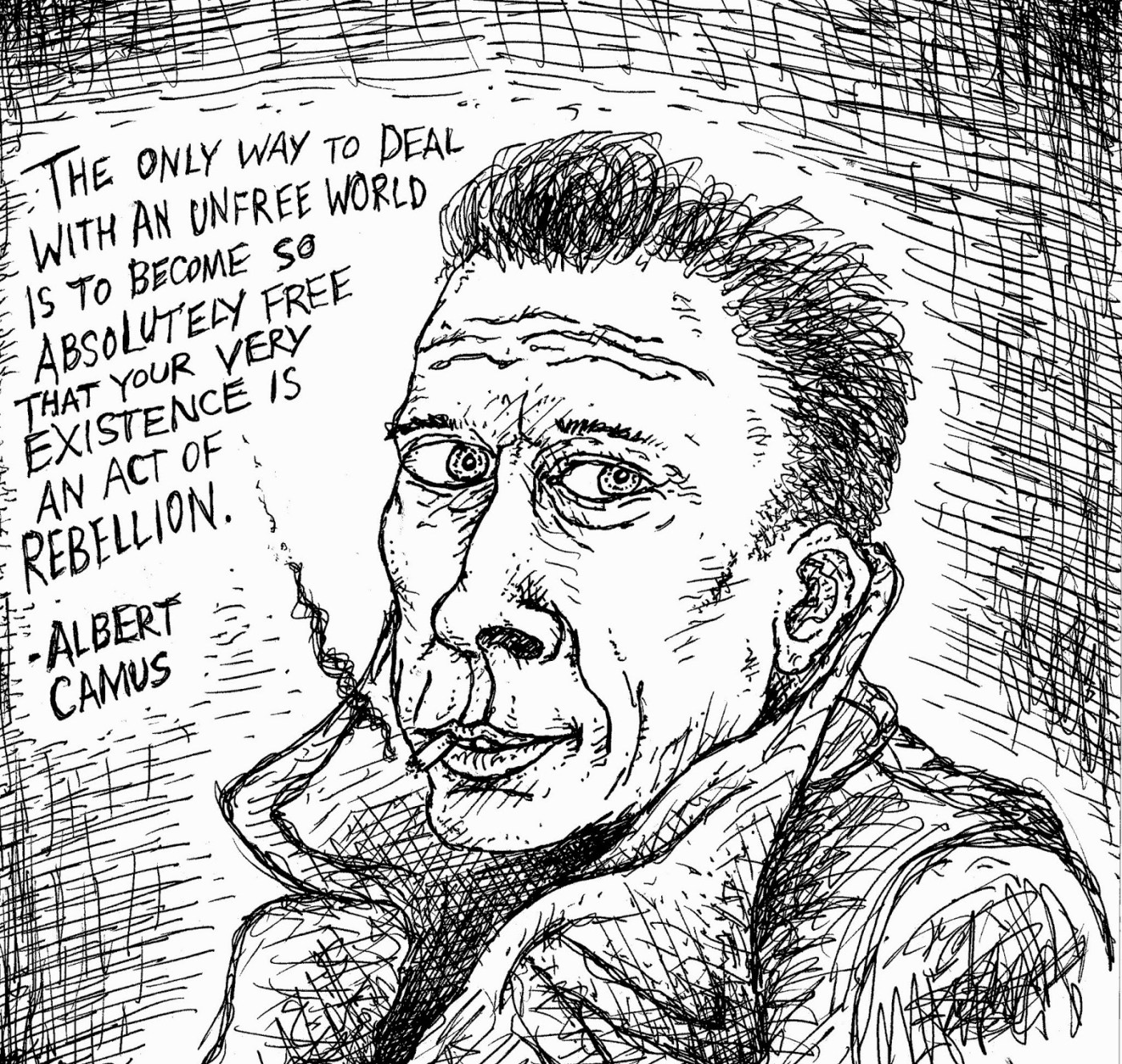
An important theme in Existential literature, and Albert Camus' "The Guest" in particular, is that of the absurd in situations as well as people.
 Pen-Ultimate