Hello and welcome! My name is Kelli and I’m currently a Sophomore in college. This blog is part of an encompassing project for my Multicultural Literature class. Multicultural Literature is essentially just that, literature from all sorts of different cultures and eras. This means that my blog will have pieces ranging from Plato and ancient Grecian Democracy to Mayan creationism to Native American folklore. Reading literature from different parts of the world can give one a much better sense of that place or period’s culture. For example, I had never known anything about the ancient Mayan’s or their belief system, however, after reading Popol Vuh that changed. I now know about their views on creation and how that shaped many of their other beliefs and stories. It is also fascinating to see the parallels as well as the many differences between their beliefs and Western beliefs, like Christianity and Catholicism. I believe that being global in one’s literary choices is very important in today’s society. With global tensions as high as they are, it is important for each and every one of us to step outside of our national views and become more global. This means that we have access to literature written from all different parts of the world, confronting all kinds of societal issues, right at our fingertips. With writers becoming more and more focused of confronting these societal norms and frankly addressing global issues, it’s easier, and arguably more important, today than ever before to read globally. Even more so because in the recent era of 20th century literature (which ranges from years 1901 to 2000) national boundaries have been blurred like never before. This was mainly due to the massive rise of globalization that allowed for many European ideas to spread into Western civilization. This continued happening with other cultures as well, and many of the most popular writers from this era were non-Westerners. The huge technological advances that were made during the 20th century further increased globalization and boundary blurring. Books were suddenly able to be printed for much cheaper and it was becoming incredibly normal for all people to have access to any type of book from any culture they wanted. This has only been intensified by the internet, which has given people access to massive amounts of literary works from any part of the world one desires. It also has made it much easier for people to gather information on other places and societies, which has helped globalization without people 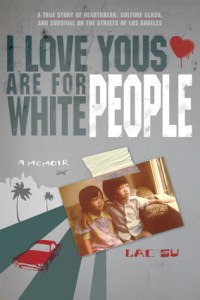 even having to leave their homes. This massive increase in boundary blurring and globalization, however, has caused quite a bit of struggles with cultural identity in many writers. This can especially be seen in writers whose parents come from a different background than they were raised in. For example, I have been reading a novel titled P.S. I Love Yous are for White People and in it a family is forced to flee from Vietnam to California. The writer of this story was very young, but it was still hard for him, because he always felt as if he was never truly Vietnamese or American. This type of struggle can be seen in many 20th century pieces of literature. People can have these struggles for many different reasons, all leading back to one main issue, globalization. Since globalization has gotten so huge, many cultures themselves have been altered, causing citizens to become disoriented. Lots of people are also relocating by choice. There is virtually no where left in the world in which everyone living in a town or city is all the same ethnicity. All of these factors have led to many people, and writers especially, to struggle with their cultural identity. Despite this, I believe globalization is a good thing as it has opened our minds and hearts to things that we would never understand without it. These things are important to keep in mind when reading literature form around the world. I hope that you enjoy my blog and I ask that you keep your mind open to new thoughts and ideas. I also highly encourage checking out any (or all) of the works that I talk about. I’ve posted links in every blog as to where you can read most of them for free or buy them. Thank you and happy reading!
About

 Pen-Ultimate
Leave a comment