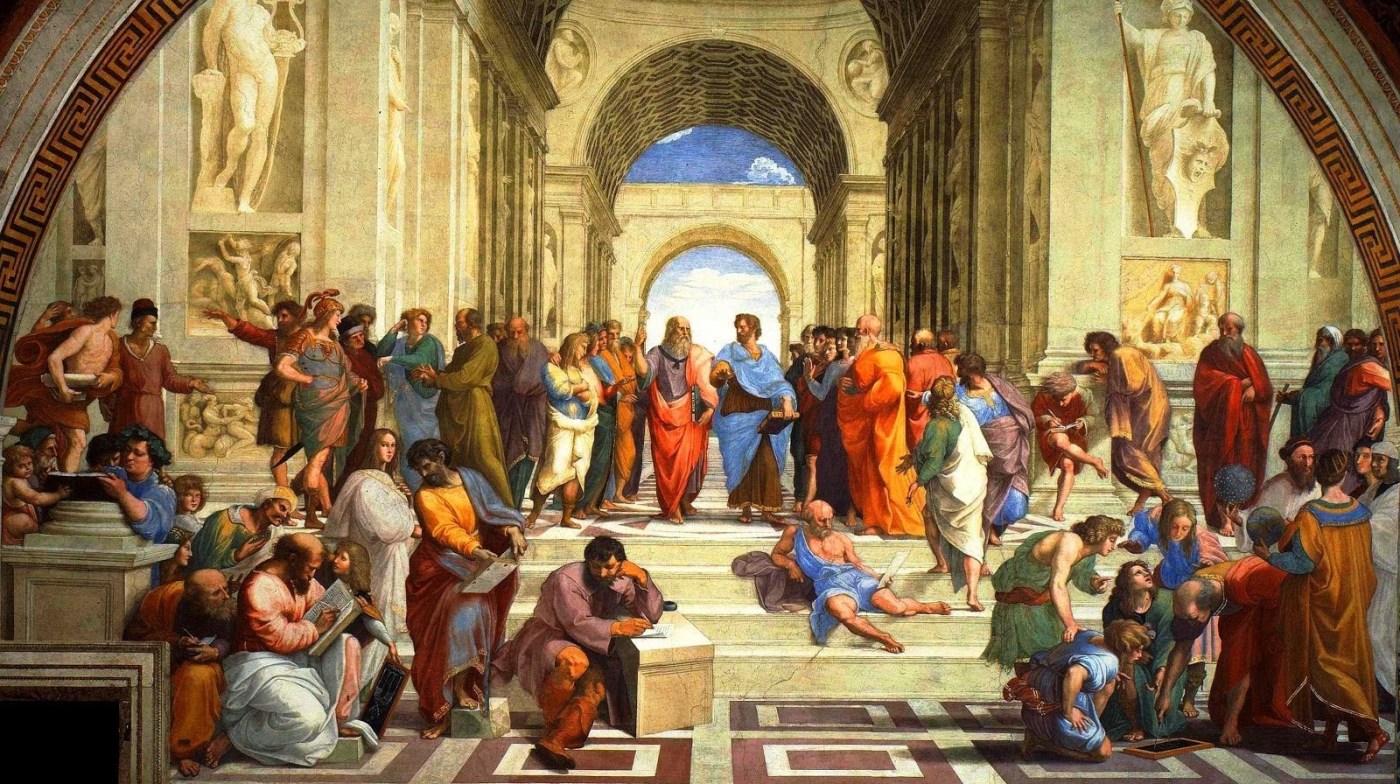
Plato’s Apology is a firsthand account of what happened during Socrates’ trial which, ultimately, lead to his death. The central theme in the Apology is something that Socrates lived his life by. He firmly believed that the unexamined is not worth living. This essentially means that one must constantly examine or inwardly reflect on one’s life. Only by this examination of one’s life can one actually grow as a person. Without this personal growth and reflection Socrates believed that life would be pointless.
“The unexamined life is not worth living.” – Socrates
If a person never grows or changes then what is the point of living? Socrates did not believe that was a fulfilling life and I would have to say that I agree with him. During his trial, Socrates is accused of many things by Meletus and Anytus: being a corrupter of youth (in fact, being the only corrupter of youth), being an atheist, and so on. Socrates counters all of these accusations beautifully, of course, because he is not at all guilty. In fact, his accusers and the judges know that he is not guilty of any of these crimes. However, 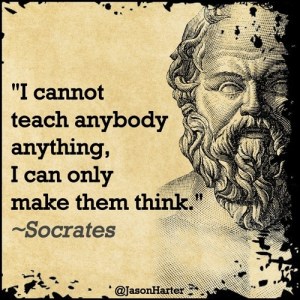 Socrates has told many high ranking officials, poets, etc. that they are not as intelligent as they believe themselves to be, and blatantly refused to ever stop questioning people on their so called knowledge. Socrates also refuses to grovel in the court and beg for his life to be spared and, because of these things, he is sentenced to death.
This story is an important read for future writers because it teaches quite a bit about arguments and how to argue effectively. It is also a very important piece to philosophers because Socrates was one of the largest founders of philosophy. Therefore, this piece is especially important to those who want to incorporate philosophy into their writing. For high school teachers I feel that this subject is easier than others to teach to students. The arguments are fairly straight forward and easy to grasp. To make things a bit more fun, I would recommend doing a little debate. Acting out the court scene might make it easier for some students to grasp, especially those who learn more from hands on experience. You could also have the students make up their own debates as an assignment. For these debates they could be asked to incorporate a modern twist. For example, instead of arguing about corruption of youth, they could make an argument about what current TV shows are better for youth.
 Pen-Ultimate
Leave a comment